Mohamed Liushan

Empowering communities through strategy and knowledge

  • Untitled post 61

    ނެޓްވޯކްކުރެވިފައިވާ މުއާސަލާތީ ނިޒާމުގެސަބަބުން ދިވެހިރާއްޖޭގައި އުފެދެމުންދާ އައުއިގްތިސާދީ ހަގީގަތް

    ޖިއޮގްރަފީ ގޮތުން އެކަހެރިވުމުން ޑިޖިޓަލް ގުޅުންތަކާ ހަމައަށް ދިވެހިރާއްޖެއަކީ ޒަމާނުއްސުރެ ޖިއޮގްރަފީގެ ހަގީގަތުގެ މައްޗަށް ބިނާވެފައިވާ ގައުމެކެވެ. ބޮޑު ކަނޑުގެ ސަރަހައްދަކުން ވަކިވެފައިވާ ކުދި ރަށްތަކެއްގެ ސަބަބުން، މުއާސަލާތު ކުރުމާއި، ވިޔަފާރި އަދި ގުޅިގެން މަސައްކަތް ކުރުމަށް ގުދުރަތީ ހުރަސްތަކެއް ކުރިމަތިވެފައިވެއެވެ. ތާރީޚީ ގޮތުން ބަލާއިރު، މި ބައިބައިވުމުގެ ސަބަބުން އިގްތިސާދު ބިނާވެފައި އޮތީ މަރުކަޒީ ގޮތުން މުދާ އެތެރެކޮށް ބަހާލާ “ޓޮޕް-ޑައުން” މޮޑެލްއެއްގެ މައްޗަށެވެ. މީގެ ސަބަބުން މައުލޫމާތު ލިބުމުގައި ތަފާތުތަކާއި ނާޒުކު ހާލަތްތަކެއް އުފެދުނެވެ. ނަމަވެސް، 2026 ވަނަ އަހަރާ ހަމައަށް އައިއިރު، ބޮޑު ބަދަލެއް ދަނީ ފެންނަމުންނެވެ. ދިވެހިން ދުނިޔޭގެ ޑިޖިޓަލް މައިދާނާ ގުޅުވައިދޭ ޓެކްނޮލޮޖީގެ ސަބަބުން، މިހާރު ދަނީ ރަށްރަށުގެ ފެންވަރުގައި ލާމަރުކަޒީ އިގްތިސާދީ ނެޓްވޯކްތަކެއް އުފެދެމުންނެވެ. މި މަޒުމޫނުގައި ބަހުސްކުރަނީ، ހަމައެކަނި ވައިބަރ ނުވަތަ ވަޓްސްއެޕް ފަދަ ޕްލެޓްފޯމްތަކުން ފެށިގެން ފޭސްބުކް ގްރޫޕްތަކާއި، އިންސްޓަގްރާމް ވިޔަފާރިތަކާއި، ޓެލެގްރާމް ޗެނަލްތަކާއި އަދި ކްލައުޑް-ބޭސްޑް ވަސީލަތްތައް މެދުވެރިކޮށް، ދިވެހި އާއިލާތަކުން އިގްތިސާދީ ދަތިތަކަށް ހޭނުމުގެ ބަދަލުގައި، ވަގުތުން ވަގުތަށް މައުލޫމާތު ބަދަލުކޮށް، ގުޅިގެން މުދާ ގަނެ، އަދި މުޖުތަމައުގެ ބާރުވެރިކަމާއެކު ހިންގާ ސަޕްލައި ޗެއިންތަކެއްގެ .މައްޗަށް ބިނާވެފައިވާ ވަރުގަދަ “ޕެރަލަލް” އިގްތިސާދެއް ބިނާކުރަމުންދާ ކަމަށެވެ.

    ފޭސްބުކް މިހާރު ބަދަލުވެފައިވަނީ ހަރަކާތްތެރި މާކެޓްޕްލޭސްއަކަށާއި މުޖުތަމައުގެ ބޯޑަކަށެވެ. “ކްލޯޒް ފްރެންޑްސް” ސްޓޯރީތަކުން ތާޒާ މަސްވެރިކަމުގެ ބާވަތްތައް ވަގުތުން ވިއްކާއިރު، އަވަށްޓެރި ގްރޫޕްތަކުން ވިޔަފާރިވެރިންގެ އިތުބާރާ ބެހޭ މައުލޫމާތު އެއްކުރެއެވެ. އިންސްޓަގްރާމްގެ ފޮޓޯއާއި ވީޑިއޯއަށް ބިނާވެފައިވާ ޕްލެޓްފޯމަކީ ގޭގައި ކާބޯތަކެތި ތައްޔާރުކުރާ މީހުންނާއި ހައިޑްރޯޕޯނިކްސް ދަނޑުވެރިން ފަދަ ކުދި ވިޔަފާރިވެރިންގެ ފިހާރައަކަށް ވެއްޖެއެވެ. މި ފަރާތްތަކުން ކަސްޓަމަރުންނާ ސީދާ މުއާމަލާތް ކުރަނީ ޑައިރެކްޓް މެސެޖް މެދުވެރިކޮށެވެ. ގިނަ ބަޔަކު ހިމެނޭ ޗެނަލްތައް ހެދޭ ޓެލެގްރާމަކީ ހޯލްސޭލް ނެޓްވޯކެއްގެ ގޮތުގައި ބޭނުންކުރާ ވަސީލަތެކެވެ. މިތަނުގައި ގަނޑުކޮށް މުދާ ގަތުމުގެ ކަންކަން ވިލަރެސްކޮށް، ކުދި ވިޔަފާރިތަކުގެ މެދުގައި ސަޕްލައި ޗެއިންގެ މައުލޫމާތު ފަތުރައެވެ. އަދި ޓްވިޓަރ ފަދަ ޕްލެޓްފޯމްތަކަކީ ނުހައްގު އަގުތަކާ ދެކޮޅަށް އަޑުއުފުލައި ޒިންމާދާރު ކުރުވުމަށް ބޭނުންކުރާ އަވަސް ނިޒާމެކެވެ.

    މިގޮތަށް ގިނަ ޕްލެޓްފޯމްތަކެއް ބޭނުންކުރުމުން ވަރުގަދަ ނެޓްވޯކެއް އުފެދެއެވެ. މައުލޫމާތު އެއް ޗެނަލުން އަނެއް ޗެނަލަށް ފަސޭހަކަމާއެކު ދައުރުވެއެވެ. މިސާލަކަށް، ޓެލެގްރާމް ޗެނަލަކުން ފެންނަ އަގުގެ މައުލޫމާތެއް، ފޭސްބުކް ގްރޫޕަކުން ކަށަވަރުކޮށް، އެންމެ ފަހުން އާއިލީ ވަޓްސްއެޕް ގްރޫޕަށް ފޮނުވާލެވެއެވެ. މި މުޅި ނިޒާމުގެ ސަބަބުން، މާކެޓް މައުލޫމާތުގެ މައްޗަށް ކުރިން އޮތް މުތުލަގު ބާރު ނުވަތަ މޮނޮޕޮލީ މުޅިން މުގުރާލައެވެ.އިޤްތިޞާދީ އުޞޫލުތައް ޢަމަލީ މައިދާނުގައި: ހަމަހަމަކަން، އިތުބާރު، އަދި ޖަމާޢަތުގެ ބާރު މިފަދަ ޑިޖިޓަލް ނެޓްވޯކްތަކުގެ ބާރަކީ، އިޤްތިޞާދީ މައިގަނޑު އުޞޫލުތައް އާންމު ފަރުދުންގެ ފެންވަރުގައި ތަންފީޛުކުރުމެވެ. އެންމެ ފުރަތަމަ ކަމަކަށް، މީގެ ސަބަބުން މަޢުލޫމާތުގެ ހަމަހަމަކަން އުފެދެއެވެ. މިއީ ހަރުދަނާ މާކެޓެއް އޮތުމަށް ކޮންމެހެން ބޭނުންތެރި ޝަރުޠެކެވެ. ހުޅުމާލޭގައި ހުރި ކަސްޓަމަރަކަށް، ގޫގަލް ޝީޓެއް މެދުވެރިކޮށް މާލޭގެ ހަ ގޮޅިއެއްގައި ފިޔާ ހުރި އަގު ވަގުތުން އަޅާކިޔާލެވޭއިރު، ނުވަތަ އައްޑޫގައި ހުރި ކެފޭއެއްގެ ވެރިޔަކަށް އިންސްޓަގްރާމް މެދުވެރިކޮށް ބާ އަތޮޅުގެ ދަނޑުވެރިއެއްގެ އަތުން ސީދާ މުދާ ހޯދޭއިރު، ބާރުވެރިކަން މަރުކަޒީ މުދާ އުފުލާ ފަރާތްތަކުގެ އަތުން ވަކިވަކި ފަރުދުންގެ އަތަށް ބަދަލުވެއެވެ. މުދާ ވިއްކާ ފަރާތްތަކަށް، ކަސްޓަމަރުންނަށް ކަންކަން ނޭނގުމުގެ ފައިދާ ނަގައިގެން ބޮޑު ފައިދާ ނެރުމުގެ ފުރުޞަތު މިހާރު ވަނީ ހަނިވެފައެވެ.

    މީގެ އިތުރުން، މި ނެޓްވޯކްތަކުގެ ސަބަބުން އިޖުތިމާޢީ އިތުބާރަކީ އިޤްތިޞާދީ އަގުހުރި ވަސީލަތަކަށް ބަދަލުވެއެވެ. ޢާއިލީ އަދި އިޖުތިމާޢީ ގުޅުންތަކަށް އިސްކަންދޭ މުޖުތަމަޢެއްގައި، ޑިޖިޓަލް ޕްލެޓްފޯމްތަކުން މި ގުޅުންތައް އިތުރަށް ފުޅާކޮށް ރަސްމީ ސިފައެއް ޖައްސައެވެ. މުދާ ވިއްކާ މީހެއްގެ އަބުރު މިހާރު ހަމައެކަނި އޭނާ ދިރިއުޅޭ ސަރަޙައްދަކަށް މަހުދޫދެއް ނުވެއެވެ. އޭގެ ބަދަލުގައި، ކޮމެންޓްތަކާއި، ޝެއަރތަކާއި، އަދި ޑިޖިޓަލް ހެކިބަސްތަކުގެ އެހީގައި މުޅި ނެޓްވޯކަށް އެކަން ފެތުރިގެންދެއެވެ. “މިއީ ފުވައްމުލަކުގައި ހުންނަ މަގޭ ކަޒިންއެއްގެ ރައްޓެއްސެއް—އޭނާއަކީ އިތުބާރު ހުރި މީހެއް” މިފަދަ ރެކޮމެންޑޭޝަންތަކަކީ އިޤްތިޞާދީ ބަރުދަނެއް ހުރި ކަންކަމެވެ. މިއީ ރަސްމީ އެއްބަސްވުންތަކަށް ނުކުރެވޭ ފަދަ ގޮތަކަށް، މުޢާމަލާތްތަކުގެ ޚަރަދާއި ނުރައްކާ ކުޑަކޮށްދޭ ކަމެކެވެ. މިފަދަ ޑިޖިޓަލް އިޖުތިމާޢީ ރައުސްމާލަކީ ނުރަސްމީ ވިޔަފާރީގެ ބިންގަލެވެ.

    މިހާރުގެ ދިވެހި ޑިޖިޓަލް މާހައުލަކީ އިގްތިސާދީ މުއާސަލާތުގެ ތަފާތު ފަށަލަތަކެއް އެކުލެވޭ، އެކަތި އަނެކައްޗާ ގުޅިފައިވާ އޮނިގަނޑެކެވެ. މީގެ ބިންގަލަކީ އާންމުވެފައިވާ ވަޓްސްއެޕް ގްރޫޕްތަކެވެ. މިއީ ރަށު ކައުންސިލް ނުވަތަ އަވަށްޓެރި ހޮޓާ ފަދަ ޑިޖިޓަލް މާހައުލެކެވެ. މިތަންތަނަކީ އަގުތަކަށް އަންނަ ބަދަލުތަކާއި މުދާ ލިބެން ހުރި މިންވަރާ ބެހޭ ކުއްލި މައުލޫމާތު ހިއްސާކުރާ ތަންތަނެވެ. ނަމަވެސް، މި ބިންގަލުގެ މައްޗަށް މިހާރު ވަނީ އިގްތިސާދީ ތަފާތު ބޭނުންތަކަށް ޚާއްސަ ކުރެވިފައިވާ ޕްލެޓްފޯމްތައް އިތުރުވެފައެވެ.

    އެންމެ މުހިންމު ކަމަކީ، މި ނެޓްވޯކްތަކުގެ ސަބަބުން ޖަމާޢަތުގެ ބާރު އުފެދުމެވެ. މީގެ ސަބަބުން ވަކިވަކި ގޭބިސީތައް އެކުވެ، ބާރުގަދަ ބަޔަކަށް ބަދަލުވެއެވެ. “ޕްރީ-އޯޑަރ ކަލެކްޓިވް” ނުވަތަ ކުރިއާލާ އޯޑަރު ދޭ ޖަމާޢަތްތަކުގެ މޮޑެލްއަކީ އިންގިލާބީ ބަދަލެކެވެ. ޗެޓް ގްރޫޕްތަކުގައި ހިއްސާކުރާ އާދައިގެ ގޫގަލް ފޯމެއް މެދުވެރިކޮށް، އެތައް ސަތޭކަ ގޭބިސީއެއް ގުޅިގެން ރަށެއްގެ ދަނޑަކުން ކުކުޅުބިސް ފަދަ ތަކެތި ހޯދުމަށް އެދެއެވެ. މިގޮތަށް ލިބޭ ބޮޑު އޯޑަރުގެ ސަބަބުން ދަނޑުވެރިޔާއަށް އޮންނަ ނުރައްކާ ކުޑަވެ، ކަސްޓަމަރުންނަށް ހެޔޮ އަގު ކަށަވަރުވެ، އަދި އިމްޕޯޓަށް ބަރޯސާވެފައިވާ ސަޕްލައި ޗެއިންގެ ބޭނުން ކުޑަވެއެވެ. މިއީ ގިނަ ބަޔަކު ގުޅިގެން، ބޭނުންވާ ވަގުތަށް އަމާޒުކޮށްގެން ކުރާ އިޤްތިޞާދީ ރޭވުންތެރިކަމެކެވެ.

    މި ޑިޖިޓަލް ނެޓްވޯކް އިޤްތިޞާދު އުފެދުމަކީ ދިވެހިރާއްޖޭގެ އިޖުތިމާޢީ އަދި އިޤްތިޞާދީ މުސްތަޤުބަލަށް ފުން އަސަރުތަކެއް ކުރާނެ ކަމެކެވެ. ފުރަތަމަ ކަމަކަށް، މިއީ އިޤްތިޞާދީ ގޮތުން އަމިއްލަ ފައިމައްޗަށް ތެދުވުމަށް އެޅޭ ބޮޑު ފިޔަވަޅެކެވެ. މަޢުލޫމާތު ލިބޭ މަގުތަކާއި މުދާ ލިބޭނެ ގޮތްތައް އިތުރުވުމުން، މުދާ ގެނައުން ލަސްވުން ނުވަތަ މުދާ ވިއްކާ ފަރާތަކުން އަގު ބޮޑުކުރުން ފަދަ ކަންކަމުން މުޖުތަމަޢަށް ކުރާ އަސަރު ކުޑަވެއެވެ. މި ނެޓްވޯކަކީ އަމިއްލަޒާތުގައި އޮންނަ ރައްކާތެރިކަމުގެ އައްޑަނައެކެވެ.

    ދެވަނަ ކަމަކަށް، މިއީ ސިޔާސަތު ކަނޑައަޅާ ފަރާތްތަކަށާއި ވިޔަފާރިވެރިންނަށް ވަގުތުން މަޢުލޫމާތު ލިބޭނެ ވަސީލަތެކެވެ. މި ނެޓްވޯކްތަކުން ފެންނަ އާންމުންގެ ކަންބޮޑުވުންތަކާއި އުޅުމުން، މާކެޓުގައި ހުރި މައްސަލަތަކާއި ފުރުޞަތުތައް ވަރަށް ސާފުކޮށް އެނގެން އޮވެއެވެ. ކުކުޅުގެ އަގު ބޮޑުވެގެން ނުވަތަ ރަށު ކޮޕީފަތް ސަޕްލައިކުރާ އާ ފަރާތެއްގެ ވާހަކަ އެތައް ހާސް މެސެޖަކުން ދެކެވޭއިރު، އެއީ މާކެޓުގެ ޑިމާންޑާއި ނިޒާމުގައި ހުރި މައްސަލަތައް އަންގައިދޭ ސާފު ސިގްނަލެކެވެ.

    އެހެންނަމަވެސް، މި ގުދުރަތީ ނިޒާމަށް ވެސް ގޮންޖެހުންތަކެއް އެބަހުއްޓެވެ.މަޢުލޫމާތު އޮޅުވާލުމުގެ ފުރުޞަތު އޮތުމާއި، ޓެކްނޮލޮޖީއަށް އަހުލުވެރިނޫން މީހުން ބާކީވެދާނެ ފަދަ ޑިޖިޓަލް ފަރަގުތަކާއި، އަދި އެކަކު އަނެކަކުގެ މެދުގައި ކުރެވޭ މުޢާމަލާތްތަކުގައި ކަސްޓަމަރުންނަށް ލިބިދޭންޖެހޭ ރަސްމީ ރައްކާތެރިކަން ނެތުމަކީ، ފަރުވާތެރިކަމާއެކު ހައްލު ހޯދަންޖެހޭ ހަގީގީ ކަންބޮޑުވުންތަކެކެވެ.

    ޑިޖިޓަލް ޒަމާނުގައި އިޤްތިޞާދީ މުޖުތަމަޢު އަލުން ތަޞައްވުރުކުރުން 2026 ވަނަ އަހަރު ދިވެހިރާއްޖޭގެ ވާހަކައަކީ ހަމައެކަނި ދުނިޔޭގެ ތަކެތީގެ އަގުބޮޑުވުމުގެ ނުފޫޒުތަކާ ކުރިމަތިލުމުގެ ވާހަކައެއް ނޫނެވެ. މިއީ ދުނިޔެވަީ ވަސީލަތްތަކުގެ ބޭނުން ހިފައިގެން، އަމިއްލަ މުޖުތަމަޢާއި މިނިވަންކަން ވަރުގަދަކުރަމުންދާ މުޖުތަމަޢެއްގެ ވާހަކައެވެ. “ކްލައުޑް” ގައި ބިނާކުރެވެމުންދާ ޑިޖިޓަލް “އަތޮޅުތަކުން” ރާއްޖޭގެ ޖަޒީރާވަންތަކަން ރަމްޒުކޮށްދެއެވެ. ނަމަވެސް މީގައި އޮތް މުހިންމު ތަފާތަކީ، ރަށްތައް ވަކިކުރާ ކަނޑުގެ ހުރަސްތަކުގެ ބަދަލުގައި، ވަގުތުން މުޢާމަލާތް ކުރެވޭ ފަދަ ގުޅުންތަކަކުން ރަށްތައް ގުޅުވާލަދިނުމެވެ.

    މި ނެޓްވޯކްތަކުން ދައްކުވައިދެނީ، އިޤްތިޞާދީ ބާރުވެރިކަން އަސްލު އުފެދެނީ ގުޅުމާއި، ގުޅިގެން މަސައްކަތްކުރުމާއި، އަދި ހިއްސާކުރެވޭ މަޢުލޫމާތުގެ މައްޗަށް ކަމެވެ. ދިވެހިންނަކީ މިހާރު ދުރުގައިވާ ބާޒާރުތަކުން ކަނޑައަޅާ އިޤްތިޞާދީ ހަގީގަތްތަކަށް ހަމައެކަނި ބޯލަނބާ ބައެއް ނޫނެވެ. ފޮނުވާލެވޭ ކޮންމެ އަގަކާއި، ފާހަގަކޮށްލެވޭ ކޮންމެ އުފެއްދުންތެރިއަކާއި، އަދި ގުޅިގެން ތައްޔާރުކުރާ ކޮންމެ ލިޔުމަކުން، އެމީހުން އެ ބައިވެރިވަނީ އިޤްތިޞާދީ ގޮތުން އަމިއްލަ އިޚްތިޔާރު ހޯދުމަށް ކުރެވޭ ހިމޭން ނަމަވެސް ބާރުގަދަ މަސައްކަތެއްގައެވެ. ދުނިޔެއަށް ކުރިމަތިވާ ގޮންޖެހުންތަކާ ކުރިމަތިލުމުގައި، އެންމެ ވަރުގަދަ ހަތިޔާރަކީ އަމިއްލަ މުޖުތަމަޢުގެ ބަދަހިކަމާއި ޑިޖިޓަލް ވަސީލަތްތަކުން ބާރުވެރިކަން ލިބިފައިވާ ގުޅިފައިވާ ވިސްނުންކަން އެމީހުން ދަނީ ސާބިތުކޮށްދެމުންނެވެ. ދިވެހި އިޤްތިޞާދުގެ މުސްތަޤުބަލު ލިޔެވެމުންދަނީ، އަކުރުން އަކުރަށް، ރައްޔިތުންގެ ގްރޫޕް ޗެޓްތަކާއި ސޯޝަލް މީޑިއާގެ ޕޯސްޓްތަކުގެ ތެރެއިންނެވެ.


  • That “Little” 1% That Can Change Everything in the Maldives

    We often perceive economic growth as a phenomenon measured by massive figures. However, significant transformation frequently stems from very small increments. Consider a simple mathematical scenario: what would happen if every household, local business, and visiting tourist in the Maldives spent just 1% more this month compared to the last? This doesn’t require excessive waste; it could be as simple as buying one extra coffee, making a minor home repair, or taking a slightly longer trip.

    This might sound trivial, and you may doubt its impact. Yet, the secret lies in the magic of ‘compounding.’ If that tiny 1% increase occurs consistently every month for a year, your total expenditure doesn’t just grow by 12%; it actually climbs to over 12.6%. This is because each month’s growth builds upon the previous month’s progress. This is the same principle that governs savings accounts and how entire economies flourish—starting slowly at first, then accelerating rapidly.

    To find the reality behind these numbers, we must look to the Maldives Monetary Authority (MMA), the institution responsible for tracking every rufiyaa. Their recent data presents a clear picture: while tourism is driving a strong economic recovery, we are not seeing a consistent 1% monthly growth in public spending. A primary obstacle is inflation. Even when people spend more money, a large portion of that increase goes toward the rising costs of imported goods. This means consumers aren’t necessarily buying more; they are simply paying more for the same items.

    Our economy does not flow steadily like a calm current; it moves in large waves. Spending doesn’t increase at a constant pace like the ticking of a clock. While expenditures skyrocket during peak tourist seasons and holidays, they slow down significantly during Ramadan or the off-season. Furthermore, this growth is not distributed equally. Most purchasing power is concentrated in Malé and the tourism sector. For the ‘1% magic’ to truly transform the nation, the benefits must reach everyone, from the fisherman in Raa Atoll to the shopkeeper in Addu.

    In conclusion, while a mere 1% change may seem insignificant, it possesses the power to reshape the entire national economy. However, this will only become a reality through consistent and inclusive growth.
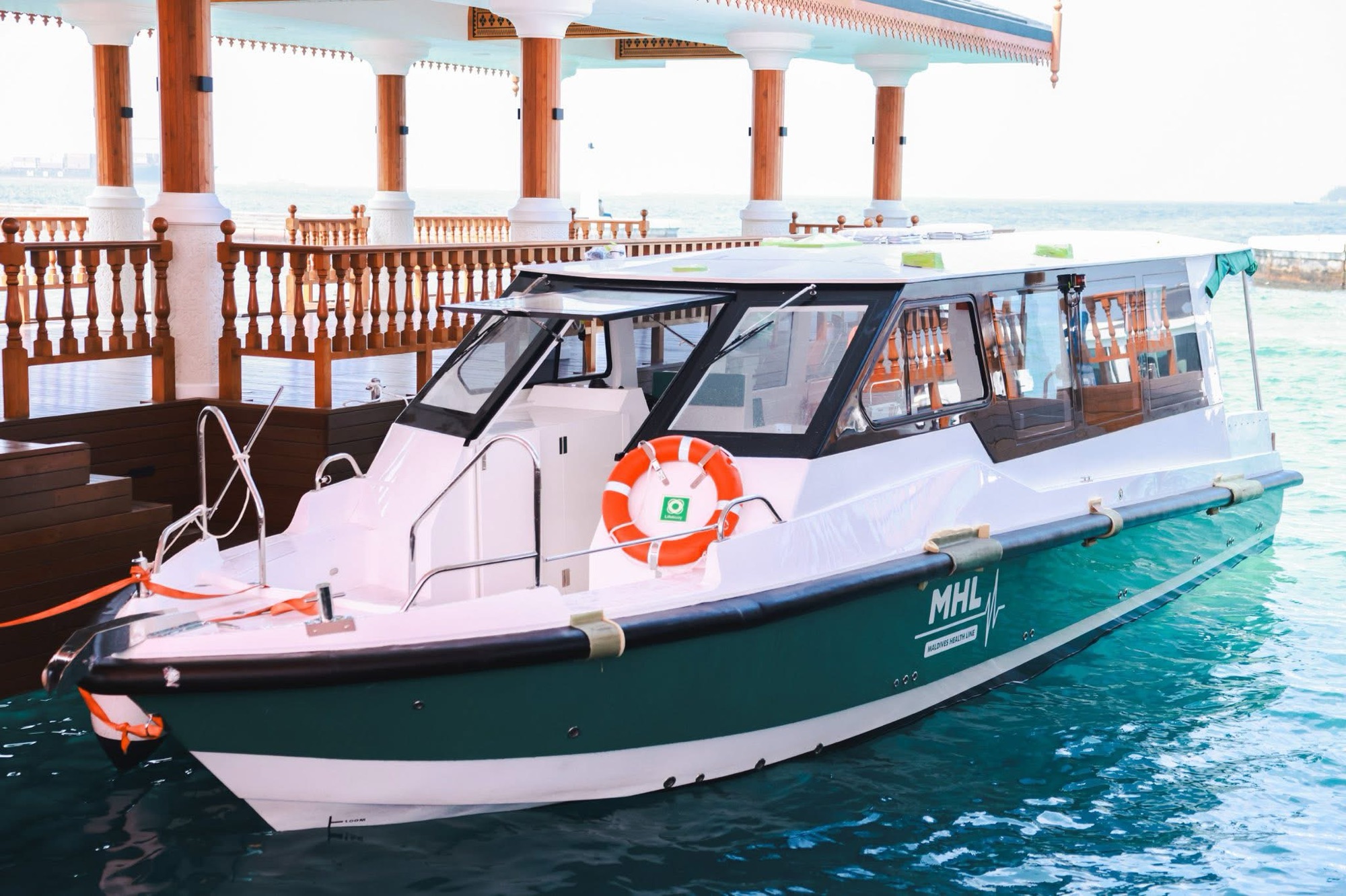
  • When the Ambulance is a boat: Emergency Care for Islands
    https://www.facebook.com/share/p/18BgC7spSp/?mibextid=wwXIfr

    In most countries around the world, ambulances are high-speed vehicles racing through streets with sirens blaring; however, in the Maldives, a nation comprising 187 inhabited islands, the reality is entirely different. Here, an “ambulance” is often a sea vessel, and the time taken to transport a patient to a hospital must be measured in hours rather than minutes.

    For many years, the standard practice was to stabilize a patient’s condition to some extent and then send them by boat to the nearest hospital. However, rough seas, a lack of necessary resources, and communication breakdowns often delayed treatment for many patients. Alternatively, hospitals would be unprepared by the time the patient arrived. These factors led to life-threatening situations.

    Recognizing that the geography of the Maldives cannot be changed, the nation’s emergency medical system has now been redesigned based on three core principles:

    1.  Triage Protocols: Patients are categorized into Code Red, Yellow, or Green based on their condition. Through telemedicine, it is determined whether a patient requires immediate transfer or can be treated on their home island.

    2.  Vessel Network: Ambulance launches are now equipped with oxygen, defibrillators, emergency medications, and trained crew members. This transforms the vessel into a mobile clinic providing care during transit.

    3.  Communication Links: Via satellite phones and marine radio, personnel remain connected with specialists at clinics and hospitals throughout the entire journey.

    Island nurses and boat crews are not just trained in providing medical care. Instead, they are trained on how to administer treatment on a vessel tossing in rough seas, managing sea sickness, and making decisions based on weather conditions. This training empowers staff to work calmly and effectively during emergencies without panicking.

    According to the Maritime EMS database, 40 percent of cases previously thought to require immediate transfer are now safely managed on the home island with the help of telemedicine. Furthermore, while it has been noted that nighttime journeys are three times more dangerous than daytime trips, it has now been proven that the quality of care provided during transit is far more critical than the speed of the vessel.

  • The Maldives’ Economic Choice: Tourism or Fisheries?
    Maldives PPF Projections 2023

    The economy of the Maldives is built upon two primary pillars, tourism and fisheries. However, looking at the growth of these two sectors, the Maldives today faces a clear economic “trade-off.” This is a situation where one must sacrifice a portion of one objective to achieve another. Statistics indicate that every degree of growth in tourism results in a negative impact on the fisheries sector.

    The Reality in Numbers

    In terms of the nation’s productive capacity, there is the potential to generate approximately $8 billion in annual tourism revenue or produce 0.25 million tons of fish. However, developing both sectors to their maximum potential simultaneously is difficult. Calculations prove that every time tourism revenue increases, fisheries capacity tends to decline. This was most notably observed during the COVID-19 pandemic. While fisheries remained stable during the period tourism declined, fisheries productivity began to drop as soon as tourism started to recover.

    Innovation and the Future

    To overcome these hurdles, it is vital to utilize innovation and modern techniques. By establishing sustainable tourism and modern fishing facilities, there is an opportunity to eliminate current constraints. However, the real choice is not just about income; it is about the relationship between modern living and the Maldives’ traditional occupations. While seeking economic growth, protecting our cultural heritage is an absolute necessity.

    Conclusion

    Overall, the Maldives’ economic decisions are difficult choices that must be made using limited resources. This relationship between tourism and fisheries is not unique to the Maldives; it is an economic lesson for other countries in the world as well. What is needed for the future are robust policies that can develop both sectors together while minimizing the negative impact one sector has on the other.