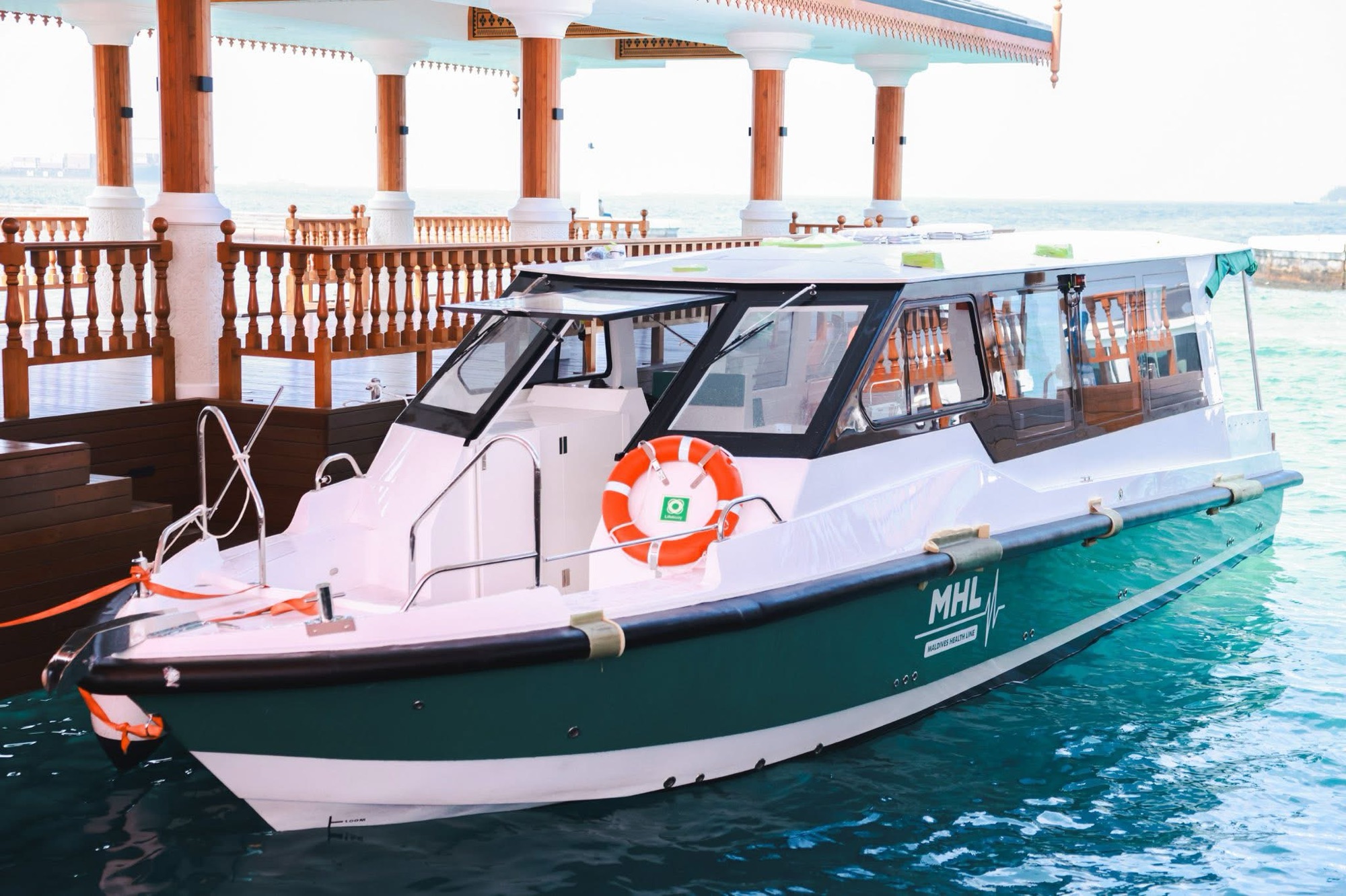

In most countries around the world, ambulances are high-speed vehicles racing through streets with sirens blaring; however, in the Maldives, a nation comprising 187 inhabited islands, the reality is entirely different. Here, an “ambulance” is often a sea vessel, and the time taken to transport a patient to a hospital must be measured in hours rather than minutes.
For many years, the standard practice was to stabilize a patient’s condition to some extent and then send them by boat to the nearest hospital. However, rough seas, a lack of necessary resources, and communication breakdowns often delayed treatment for many patients. Alternatively, hospitals would be unprepared by the time the patient arrived. These factors led to life-threatening situations.
Recognizing that the geography of the Maldives cannot be changed, the nation’s emergency medical system has now been redesigned based on three core principles:
1. Triage Protocols: Patients are categorized into Code Red, Yellow, or Green based on their condition. Through telemedicine, it is determined whether a patient requires immediate transfer or can be treated on their home island.
2. Vessel Network: Ambulance launches are now equipped with oxygen, defibrillators, emergency medications, and trained crew members. This transforms the vessel into a mobile clinic providing care during transit.
3. Communication Links: Via satellite phones and marine radio, personnel remain connected with specialists at clinics and hospitals throughout the entire journey.
Island nurses and boat crews are not just trained in providing medical care. Instead, they are trained on how to administer treatment on a vessel tossing in rough seas, managing sea sickness, and making decisions based on weather conditions. This training empowers staff to work calmly and effectively during emergencies without panicking.
According to the Maritime EMS database, 40 percent of cases previously thought to require immediate transfer are now safely managed on the home island with the help of telemedicine. Furthermore, while it has been noted that nighttime journeys are three times more dangerous than daytime trips, it has now been proven that the quality of care provided during transit is far more critical than the speed of the vessel.
Leave a Reply